

Cataract Surgery in Mexico City | 2026 Guide


If your vision is blurry, glare from lights bothers you or you avoid driving at night, a cataract could be the cause. In this guide we explain, without unnecessary jargon, when it makes sense to have surgery, what cataract surgery involves, which lens to choose, how much it costs in Mexico City and what to expect during recovery.
The essentials, in 30 seconds
- 👁️ It can’t be removed with eye drops or new glasses. When it affects your vision, the definitive treatment is surgery.
- ⏱️ The surgery is usually short and outpatient. In many cases it takes 15 to 20 minutes and you go home the same day.
- 🎯 The lens is chosen for each person. It depends on the health of your eye, your astigmatism and your activities.
- 📅 You don’t need to wait for it to “ripen.” Surgery is considered when your vision limits your daily life.
Have you been diagnosed with a cataract, or do you think you might have one?
The cataract surgery evaluation with Dra. Camila del Castillo is free. It’s a chance to confirm the diagnosis and learn about your options.
What is a cataract and how can I recognize it?
A cataract forms when the crystalline lens—the eye’s natural lens—loses its transparency. It’s like looking through a fogged-up window.
Common symptoms
- 🌫️ Blurry or cloudy vision
- 🌙 Trouble seeing or driving at night
- 💡 Glare or halos around lights
- 🎨 Colors that look duller or yellowish
- 👓 Frequent changes in your glasses prescription
- 📖 Needing more light to read
- 🚗 Feeling unsure when driving
Because these symptoms can also have other causes, Dra. Camila examines the cataract, cornea, eye pressure, retina and optic nerve before recommending surgery.
When should you have cataract surgery?
Not every cataract needs surgery right away. The right time comes when poor vision affects activities that matter to you.
It may be time to consider surgery if:
- Glasses no longer improve your vision enough.
- You avoid driving at night because of glare.
- You have trouble reading, working, using your phone or recognizing faces.
- You’ve cut back on activities because you can’t see well.
- The cataract makes it hard to examine or treat the retina properly.
The decision also depends on your lifestyle, the health of your eye and your expectations. The goal of the free evaluation with Dra. Camila is to tell you honestly whether you would already benefit from surgery or can still wait.
What is cataract surgery like?
The surgery removes the cloudy lens and replaces it with a clear intraocular lens.
The process, step by step
- Evaluation and tests: your eye is examined and the lens power is calculated.
- Outpatient surgery: under local anesthesia, usually given as eye drops, the cataract is removed through a micro-incision and the new lens is implanted.
- Recovery: you go home the same day, use eye drops and come back for follow-up visits.
You may see lights or movement, but it’s usually painless. How long it takes depends on the characteristics of your eye.
Dra. Camila has fellowship training in cataract and anterior segment surgery and has performed more than 2,000 surgeries, including complex cases.
Which intraocular lens is best?
There’s no “best” lens for everyone. The choice depends on your eye and the activities that matter most to you.
- 👁️ Monofocal: focuses mainly at one distance, usually far away. It’s common to need reading glasses.
- 🎯 Toric: besides replacing the natural lens, it helps correct astigmatism.
- 🔄 Multifocal or trifocal: aims to reduce your need for glasses at different distances. Not everyone is a candidate, and it can cause halos at night.
- 💻 Extended depth of focus (EDOF): prioritizes distance and intermediate vision; you may need glasses for small print.
To recommend a lens, she checks your cornea, retina, optic nerve and astigmatism, and considers habits such as driving at night or working at a screen.
Active Vision Center has the technology to evaluate your eye and calculate the lens power in one place. Dra. Camila explains the advantages and limitations of each option, without promising that you’ll be completely free of glasses.
What is recovery like?
Every eye heals at its own pace, but recovery usually follows this pattern:
- First 24–48 hours: your vision may be blurry, and your eye may water or feel gritty; many patients already notice an improvement.
- First week: your vision usually clears. You need to use your eye drops and avoid rubbing your eye, swimming or strenuous activity.
- First few weeks: the eye keeps stabilizing during your follow-up visits.
Dra. Camila usually schedules follow-up visits the next day, at two weeks and at one month, adjusting them when a case requires it.
Warning signs
Contact your ophthalmologist right away if you have severe pain, sudden vision loss, increasing redness, heavy discharge, flashes of light, many new “floaters” or a shadow like a curtain.
How much does cataract surgery cost in Mexico City?
In 2026, private cataract surgery in Mexico City can cost roughly $25,000 to more than $85,000 Mexican pesos per eye, depending on:
- The type and model of intraocular lens
- How complex the cataract is
- The hospital or surgical center
- The tests, materials and fees included
- Your insurance coverage
The quote is prepared after examining your eye and choosing the lens. Many insurance policies cover the surgery when it is medically necessary, although deductibles, coinsurance or limits may apply. Dra. Camila works with the major insurers, and her team helps with the paperwork.


Why have your surgery with Dra. Camila del Castillo?
- ✅ More than 2,000 cataract surgeries performed successfully. Subspecialty in the anterior segment (cataract), with extensive surgical experience.
- 📑 First-class training. Medical degree from Universidad Anáhuac Norte, medical internship at ABC Medical Center, and specialty training at Hospital Conde de Valenciana.
- 🏥 Medical Director of Hospital Conde de Valenciana (Polanco campus). She leads the Polanco campus of one of the most prestigious eye centers in Mexico.
- 🌟 Attending surgeon and teaching faculty in the Cataract Department at Hospital Conde de Valenciana. She trains new ophthalmologists in cataract surgery and performs the most complex cases, always staying at the forefront of the latest surgical techniques.
- 🔬 State-of-the-art technology. She sees patients and operates at the Active Vision Center eye clinic, which has state-of-the-art technology, with all tests included.
- 🛡️ We work with all the major insurers and have a department dedicated to handling insurance paperwork. Use your health insurance for your surgery, hassle-free.
- 🤝 Compassionate, warm and personalized care. Every patient is cared for with dedication, with all their questions answered before, during and after the procedure.


Últimas noticias y artículos
Te pueden interesar otros de nuestros artículos.


Frequently asked questions about cataract surgery
Can cataracts be removed with eye drops?
No. Eye drops can’t make the lens clear again. When a cataract affects your vision, the definitive treatment is surgery.
Does cataract surgery hurt?
It usually doesn’t. Local anesthesia is used, generally as eye drops, although you may notice ligWhy have your surgery with Dra. Camila del Castillo?hts or slight pressure.
Are both eyes operated on at the same time?
Usually one eye is operated on first, and the second is scheduled after confirming that the first is healing well.
Will I need glasses afterward?
It depends on the lens, your astigmatism and the health of your eye. Some patients need reading glasses; others depend less on glasses. There’s no guarantee that you’ll never wear them again.
Can I have surgery if I have diabetes?
In many cases, yes, but your retina must be examined and your follow-up adjusted.
Can the cataract come back?
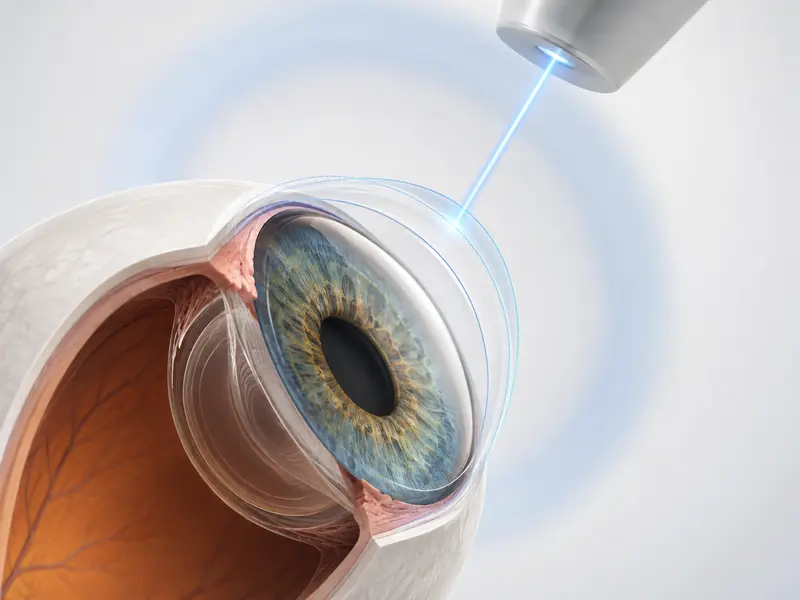
The original cataract doesn’t come back. The capsule that holds the lens can become cloudy (a “secondary cataract”), and when it affects your vision, it’s usually treated with a laser.
Does the surgery have risks?
Yes. There can be inflammation, infection, changes in eye pressure or retinal problems. The evaluation, planning and follow-up help reduce and manage these risks.
Where does Dra. Camila del Castillo see patients?
Her office is at Active Vision Center, in Lomas de Chapultepec, a few minutes from Polanco. She sees patients from all over Mexico City and nearby areas.
Take the first step with an evaluation
If you have blurry vision, glare or a cataract diagnosis, an evaluation will tell you:
- Whether the cataract is really the cause of your poor vision
- Whether it’s time for surgery or you can still wait
- Which intraocular lens best suits your eye and your activities
- How much your surgery will cost and how your insurance could apply
The cataract surgery evaluation with Dra. Camila del Castillo is free.