

Best Ophthalmologists in Mexico City (2026): How to Choose an Eye Doctor


There is no single “best” ophthalmologist in Mexico City for everyone. The right one for you is board-certified, experienced with your specific eye problem, and able to explain your diagnosis in a language you fully understand.
This guide shows how to verify an eye doctor in Mexico’s official registries, what a visit costs in pesos and dollars, and how insurance works for foreigners. It ends with Dra. Camila del Castillo’s credentials, each with a link so you can check it yourself.
The essentials, in 30 seconds
- 🪪 Two license numbers: every ophthalmologist in Mexico has a medical license and a specialty license (cédulas), both searchable in a public government registry.
- ✅ Board certification: the Consejo Mexicano de Oftalmología lists certified ophthalmologists online, with the date each one must renew.
- 🎯 The right expertise: for surgery, look for fellowship training in that area and a track record of procedures.
- 🗣️ English in the exam room: confirm the doctor speaks English, not only the front desk.
- 💵 Cost: on Doctoralia, listed prices for a private consultation in Mexico City run from about $750 to $2,300 pesos (US$40 to US$122).
Looking for an English-speaking ophthalmologist in Mexico City?
Dra. Camila del Castillo is board-certified, sees adults and children in English and Spanish, and practices in Lomas de Chapultepec, minutes from Polanco.
How do I check an eye doctor’s credentials in Mexico?
Check three things in official sources: the doctor’s two license numbers, their board certification, and the hospitals where they work.
- Medical and specialty licenses (cédulas). Search the doctor’s name in the Registro Nacional de Profesionistas, run by Mexico’s Ministry of Education (SEP). An ophthalmologist should have two: one as a physician and one as a specialist in ophthalmology. Mexico’s General Health Law (article 83) requires doctors to show their license number, the school that granted their degree and, for specialists, their current specialty certificate, in their office and in their advertising.
- Board certification. The Consejo Mexicano de Oftalmología publishes a directory of certified ophthalmologists with each doctor’s number and next renewal date. A missing name or an overdue renewal is worth asking about.
- Fellowship training (alta especialidad). For surgery, ask where the doctor trained after residency. These university-backed fellowships, for example through UNAM, focus on one area, such as cataract, cornea, retina or glaucoma.
- Hospital privileges. Major private hospitals publish directories of their medical staff. Finding the doctor there confirms the hospital accepted them.
Red flags: no visible license numbers, promises of perfect results, or pressure to schedule surgery before a full evaluation.
What sets a good eye doctor apart?
Beyond credentials, look at experience with your specific problem, the equipment on site, and how consistently patients rate the doctor.
- Experience: for surgery, ask how many of your procedure the surgeon has performed.
- Diagnostic equipment: planning cataract or LASIK surgery requires precise measurements of the eye, such as corneal topography and biometry.
- Reviews across platforms: a 5.0 rating means more with many reviews, and when Google and Doctoralia tell the same story.
- Academic activity: published research and talks at medical congresses show a doctor keeps up with new techniques.
- Clear prices: a good clinic tells you upfront what a quote includes, such as studies, lenses, medications and follow-up visits.
- Urgent availability: a red, painful eye or a sudden change in vision can’t wait for a weekday appointment.
Common eye problems for foreigners in Mexico City
Mexico City’s altitude and air quality can affect your eyes, whether you live here or are just visiting.
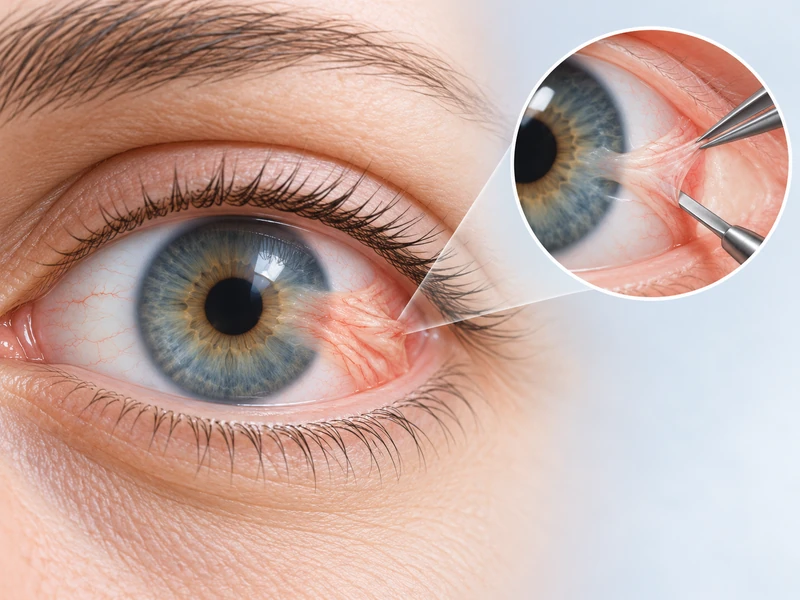
- Stronger sun: at 2,240 meters, UV radiation is more than 20% higher than at sea level; the WHO estimates about 10% more for every 1,000 meters. Over the years, sun exposure raises the risk of pterygium, a fleshy growth on the white of the eye (guide in Spanish). Wear UV-blocking sunglasses.
- Dry, irritated eyes: a 2024 study of dry-eye patients in Mexican cities linked ozone levels to changes in symptoms and tear-film stability, and its authors suggest lubricating drops where air quality is poor.
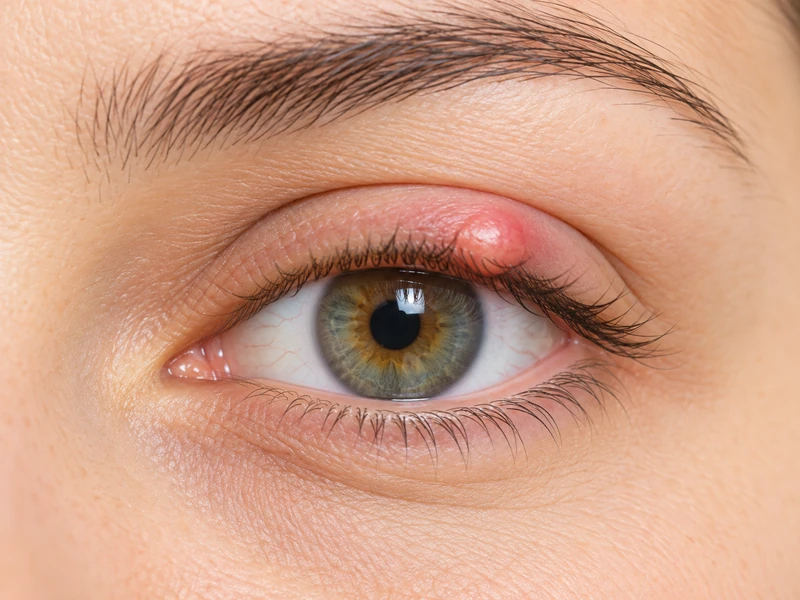
- Styes: a red, painful bump on the edge of the eyelid is usually a stye (guide in Spanish). Many clear up on their own with warm compresses, and an early visit can speed healing when treatment is needed.
- Contact lens problems: if your eye hurts, turns red or your vision blurs while wearing contacts, see an eye doctor as soon as possible. Some lens-related infections can cause serious vision loss.
Get care right away if you injure your eye, your vision suddenly changes, or eye pain comes with headache or nausea. If a chemical gets into your eye, rinse it with clean running water for 15 minutes, then get care right away.
How much does an eye doctor cost in Mexico City?
On Doctoralia, listed prices for a private ophthalmology consultation in Mexico City run from about $750 to $2,300 pesos (US$40 to US$122). Dra. Camila’s comprehensive consultation costs $1,500 pesos (about US$80). It includes a full eye exam, your glasses prescription, eye pressure and a retina check.
- Weekend urgent visit: $2,000 pesos (about US$106).
- Cataract or LASIK/PRK evaluation: free, including the standard measurements needed to plan surgery (ask ahead whether any extra study has a cost).
- Cataract surgery: about $25,000 to more than $85,000 pesos per eye (US$1,330 to over US$4,500), depending on the lens and what the quote includes.
Dollar amounts use Banco de México’s exchange rate for October 30, 2026 (18.80 pesos per dollar).
Does insurance cover it?
- Mexican health insurance: Dra. Camila works with major insurers, including GNP, AXA, MetLife, Bupa and MAPFRE, and her team helps with the paperwork for direct billing or reimbursement; coverage varies by insurer and service. Many policies cover cataract surgery when it is medically necessary, often after a waiting period, but cover LASIK only for high prescriptions.
- International or travel insurance: many plans have you pay first and then reimburse you. Ask the clinic for an itemized receipt and a medical report, and check your plan’s rules before your visit.


Dra. Camila del Castillo: credentials you can verify
Dra. Camila del Castillo is a board-certified ophthalmologist and cataract surgeon in Mexico City who sees patients in English and Spanish.
- ✅ Verifiable credentials. She is certified by the Consejo Mexicano de Oftalmología (listed under no. 4560), with medical license 11077670 and ophthalmology specialty license 12951253 in the SEP registry.
- 🎓 Fellowship training. She trained at ABC Medical Center and the Instituto de Oftalmología Fundación Conde de Valenciana, with a UNAM fellowship (alta especialidad) in anterior segment microsurgery and cataract.
- 🏥 Medical and teaching leadership. She is Medical Director of Hospital Conde de Valenciana, Polanco campus, and an attending physician and professor in the Anterior Segment and Cataract Department. She is also on the medical staff at ABC Medical Center.
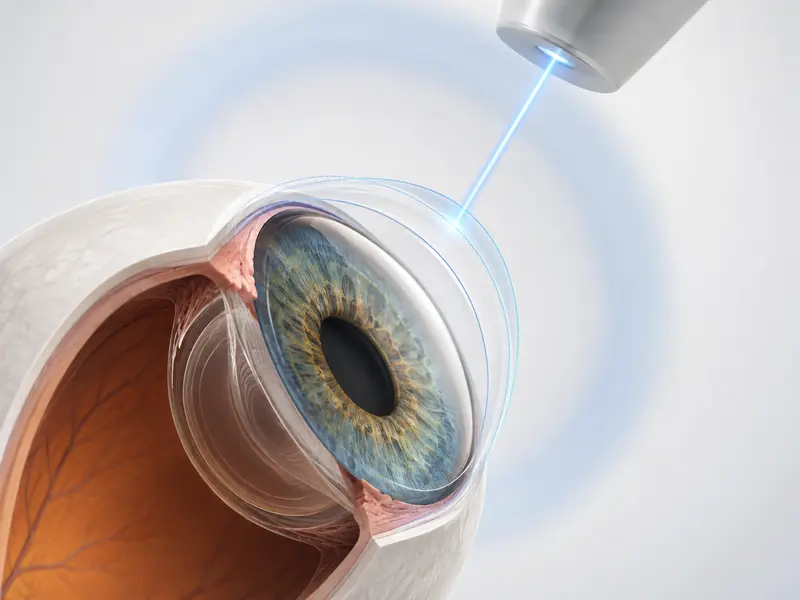
- 👁️ Broad, current surgical experience. She has taken part as surgeon in more than 2,000 cataract procedures (as of July 2026). She also regularly evaluates patients for and performs LASIK and PRK refractive surgery to correct nearsightedness, farsightedness and astigmatism.
- 📚 Published research. She is first author of a 2025 review on ocular rosacea and a 2026 study on toric lens stability after cataract surgery, and presented research on intraocular lens calculation at the 2024 ASCRS meeting (American Society of Cataract and Refractive Surgery).
- 🩺 Care beyond cataract. Her practice includes comprehensive eye exams for adults and children, refractive surgery, pterygium, dry eye, glaucoma, contact lenses and initial retina evaluation, as well as cataract and intraocular lenses.
- 🔬 Diagnostic technology at Active Vision Center. The clinic has equipment for a comprehensive evaluation, corneal topography, biometry, eye pressure measurement and retina examination, plus other studies as each case requires. This means most of the diagnosis and planning can be done in one place.
- 💰 Free surgical evaluations. Evaluations for cataract and LASIK/PRK surgery are free and include the initial studies to assess candidacy and plan the procedure. If you need an additional study outside the usual protocol, the team can confirm it with you beforehand.
- 🛡️ Works with most major insurers. The team advises on direct billing or reimbursement and helps with the paperwork. Insurers include GNP, Bupa, AXA, Banorte, Inbursa, Seguros Atlas, MAPFRE and Plan Seguro, among others.
- ⭐ Patient satisfaction that’s hard to sustain by chance. She holds a 5.0 rating with about 200 Google reviews, plus 70 reviews on Doctoralia (as of November 2026). Reviews often highlight her clear explanations, dedication, bedside manner and follow-up.
- 🤝 Support before and after the procedure. Each option is explained with its advantages, limitations and aftercare, and follow-up is part of the surgical process.
Read her full profile (in Spanish).


Últimas noticias y artículos
Te pueden interesar otros de nuestros artículos.


Frequently asked questions about eye doctors in Mexico City
Does Dra. Camila del Castillo speak English?
Yes. She sees patients in English and Spanish, so you can discuss your diagnosis, treatment options and risks directly with her.
How much does an eye exam cost in Mexico City?
On Doctoralia, listed prices for a private consultation run from about $750 to $2,300 pesos (US$40 to US$122). Dra. Camila’s comprehensive consultation costs $1,500 pesos (about US$80).
Can I use my international health insurance?
It depends on your plan. Many international plans let you pay first and then claim reimbursement with an itemized receipt and a medical report. Dra. Camila also works with major Mexican insurers.
Is it safe to have eye surgery in Mexico City?
It can be, if you choose carefully. Look for a board-certified surgeon with fellowship training, insist on a full evaluation before surgery, and plan to stay in the city for the first follow-up visits.
Where does Dra. Camila see patients?
At Active Vision Center, Av. Paseo de las Palmas 820, Lomas de Chapultepec, a few minutes from Polanco.
Book an appointment in English
Whether you need a routine eye exam, a second opinion or an evaluation for cataract or LASIK surgery, at your first visit you’ll learn:
- What is causing your symptoms, explained in English
- Which treatment you need and what it costs
- Whether your insurance can cover it
Book your appointment with Dra. Camila del Castillo
Sources and verification
- SEP: Registro Nacional de Profesionistas (license search)
- Consejo Mexicano de Oftalmología: directory of certified ophthalmologists
- Ley General de Salud, article 83 (Cámara de Diputados)
- ABC Medical Center: Dra. María Camila del Castillo Rosas
- Doctoralia: Dra. Camila del Castillo
- Top Doctors: Dra. María Camila del Castillo Rosas
- The Pan-American Journal of Ophthalmology: ocular rosacea, update on diagnosis and new therapeutic options (2025)
- Archivos de la Sociedad Española de Oftalmología: rotational stability of a toric intraocular lens (2026)
- World Health Organization: ultraviolet radiation
- American Academy of Ophthalmology: pinguecula and pterygium
- Clinical Ophthalmology: environmental factors and dry eye in Mexican cities (2024)
- Mayo Clinic: sty, diagnosis and treatment
- American Academy of Ophthalmology: contact lens–related eye infections
- MedlinePlus: eye emergencies
- Doctoralia: ophthalmology consultation prices in Mexico City
- Banco de México: peso–dollar exchange rates
- How to choose an ophthalmologist in Mexico City, guide by Dra. Camila del Castillo (in Spanish)
- LASIK in Mexico City, guide by Dra. Camila del Castillo (in Spanish)
- Cataract surgery in Mexico City, guide by Dra. Camila del Castillo (in Spanish)
- Dra. Camila del Castillo: services and prices